
Commercial sourcing · Buyer guide
Compression sofa MOQ is the result of several minimums, not one factory rule.
Finished-sofa quantity is only the visible number. Materials, color lots, printed packaging, labels, testing and line planning can each create a different commercial threshold.

The answer behind the number
MOQ means minimum order quantity, but the applicable unit must be clear: units per model, per color, per fabric, per carton artwork or per total order. Custom projects can have more than one minimum at once.
A supplier should confirm MOQ after the product and order mix are known, and explain which input drives it. That gives the buyer options to simplify or consolidate rather than negotiate against an unexplained number.
01 · Product
Construction sets the basic production route.
Size, foam components, cover complexity, modules and mechanisms influence setup and line planning. A repeat product may have different conditions from a new sample.
Define which models share materials and processes before assuming their quantities can be combined.
Translate this point into an approval item for compression sofa moq. Name the SKU, responsible reviewer, reference sample, document revision and decision date. If the requirement cannot yet be measured, describe the visual or user outcome and retain photographs from a consistent angle. That record gives production and inspection something more useful than a general preference about construction sets the basic production route. It also gives a later buyer enough context to distinguish a deliberate product decision from an undocumented deviation, reducing repeated debate when the collection is reordered, expanded into another color or reviewed by a different quality team.
02 · Fabric
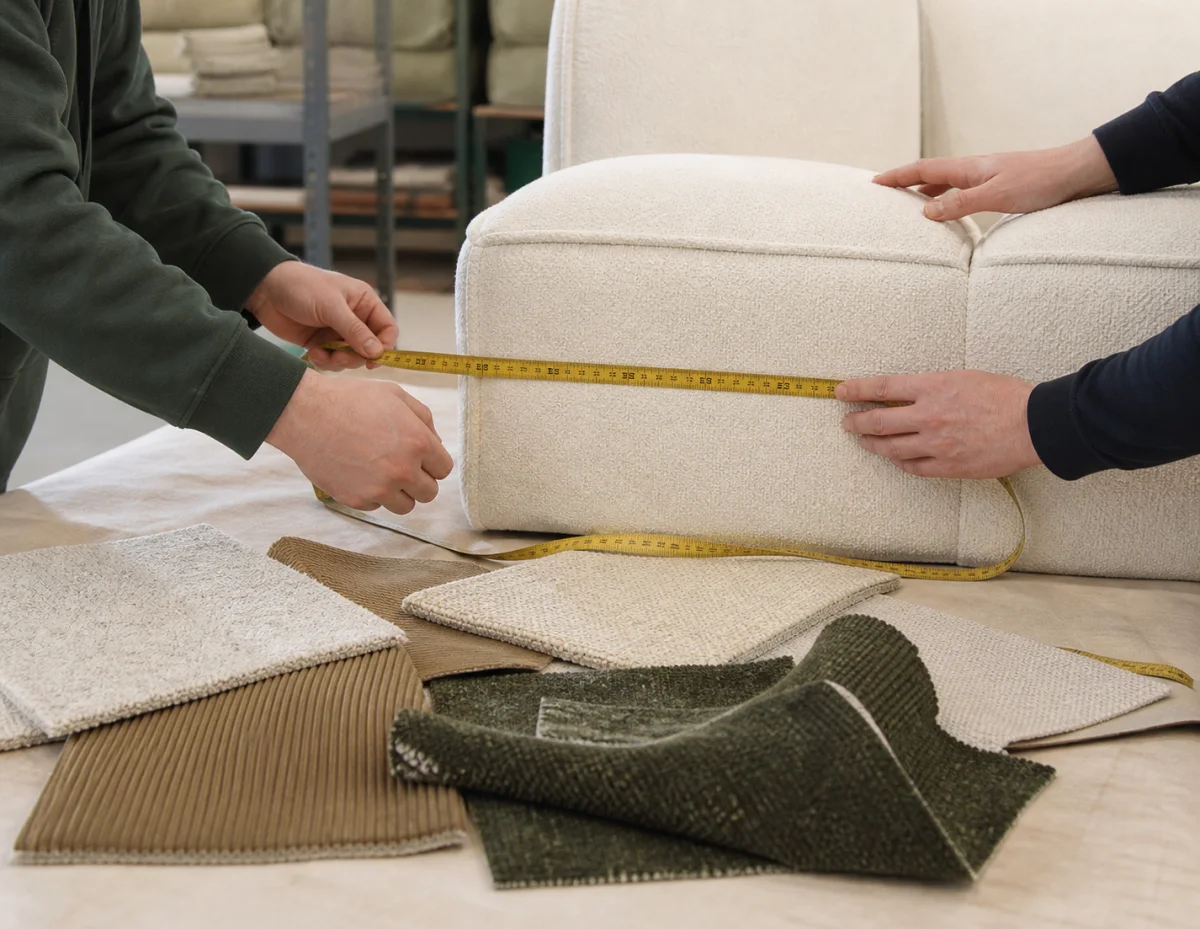
The textile supplier may control a separate minimum.
Stock status, production lot, color, finish and width influence purchasing. Several low-volume colors can create more commitment than one larger neutral order.
Ask whether excess fabric is purchased, stored, charged or carried to a repeat order.
During sample review, evaluate the textile supplier may control a separate minimum on the complete product rather than on an isolated material swatch or component. Record the starting condition, the requested change and the observations after that change. Recheck connected features such as dimensions, seam location, sitting response and packaging whenever the adjustment can move an earlier approval.
03 · Color
Every color multiplies identity and changeover work.
Cutting, sewing, labels, cartons and inspection must keep variants separate. Shade control may require a coherent lot.
Consolidating colors can reduce complexity without changing the product construction.
For an RFQ, state the market, quantity and intended claim behind every color multiplies identity and changeover work. Suppliers may propose different technical routes, but each route should disclose material assumptions, sample work, testing needs and effects on MOQ or timing. Keeping alternatives visible prevents a low headline price from silently describing a different product.
04 · Packaging
Private label artwork creates print minimums.
Custom cartons, inserts, labels and barcodes may each have supplier quantities and setup costs. Generic export cartons and later private label phases can be compared.
Do not compromise required legal or identification information merely to reduce print commitment.
When a source, color, foam zone, pattern or packing method changes, reopen the decisions affected by private label artwork creates print minimums. “Equivalent” is not a result until relevant properties and the finished sample have been compared. The change record should identify why the revision was accepted and which earlier tests or appearance references remain applicable.
05 · Testing
Evidence costs do not scale like unit price.
A laboratory program, sample preparation or retailer audit may apply once per model, material or color scope. Small orders carry that fixed work across fewer units.
Define which reports can legitimately cover variants and which require separate samples.
The evidence file for evidence costs do not scale like unit price may combine drawings, material codes, photographs, measurements, trial notes and third-party reports. These items answer different questions. Keep the model and revision attached to every record so a later team does not apply a result from one construction to another sofa that merely looks similar.
06 · Modules
Sectional MOQ needs a SKU mix, not only a total.
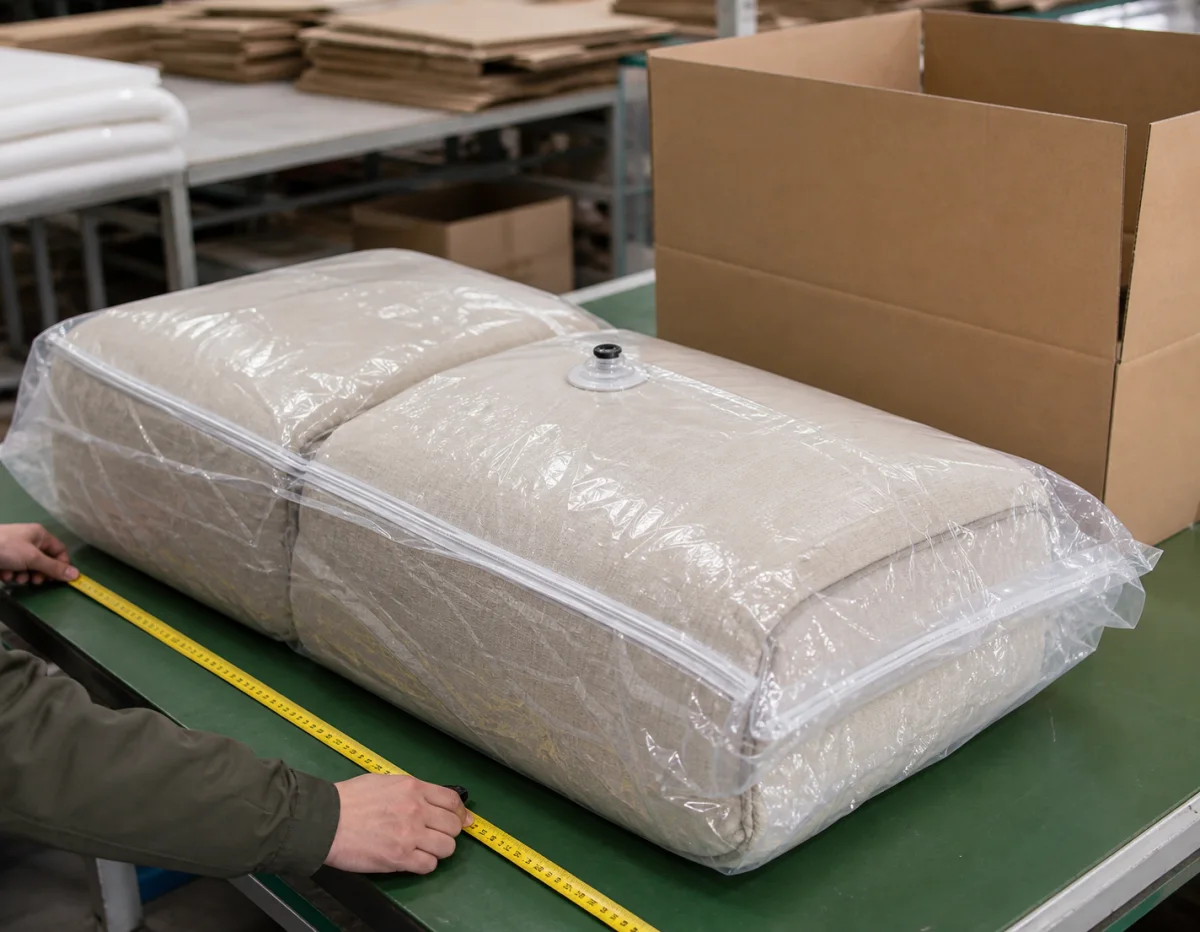
A large total order can still leave one corner or orientation below a practical quantity. Forecast configurations and spare strategy drive module ratios.
Carton identity and complete-set availability matter as much as production efficiency.
Retail language should describe sectional moq needs a sku mix, not only a total at the same level the evidence supports. Avoid turning a conditional trial observation into words such as always, instant, waterproof, maintenance-free or guaranteed. Clear dimensions, setup steps, limitations and care instructions help the customer understand the actual product and give after-sales teams a fair reference.
07 · Timing
Production windows can change the feasible minimum.
Material availability and scheduled programs may create opportunities to combine compatible work, while urgent isolated runs can add setup pressure.
Treat timing flexibility as a commercial variable, not a guarantee that unrelated orders can be pooled.
Inspection of production windows can change the feasible minimum needs a repeatable viewpoint. Define product conditioning, placement, measuring points, lighting or configuration where relevant, then distinguish a one-off workmanship issue from a repeated process pattern. Sampling and acceptance can be set for the real order instead of copied from an unrelated furniture program.
08 · Negotiation
Ask which lever changes the minimum.
Options may include fewer colors, shared fabric, standard labels, consolidated modules, a paid sample stage or a larger forecast commitment.
A lower MOQ can raise unit price or leave unused materials. Compare the full commercial result.
Commercially, ask which lever changes the minimum can influence material minimums, sample rounds, carton development, test cost and launch timing. Put those dependencies next to the quotation rather than discussing them after price approval. A buyer can then decide whether to protect the feature, simplify it or move it into a later collection revision.
09 · Quotation
Require the MOQ basis in writing.
List units per SKU and color, material commitment, packaging assumption, sample or tooling cost, quote validity and repeat-order conditions.
When any assumption changes, request an updated quote rather than applying the old MOQ to a different program.
Responsibility for require the moq basis in writing is shared but should not be vague. The buyer defines market intent and acceptance; development translates it into a buildable standard; production controls the released method; quality records conformance; marketing stays within verified claims. Clear ownership reduces the risk that one team assumes another approved the detail.
- Unit of MOQ
- Model and color mix
- Material minimums
- Packaging minimums
- Testing scope
- Repeat-order assumptions
Put the guide to work
Turn compression sofa moq into a decision record.
Begin with the actual model and destination rather than a category assumption. The first review should connect construction sets the basic production route, the textile supplier may control a separate minimum and every color multiplies identity and changeover work. Record which statements are confirmed by drawings or samples, which rely on supplier information and which still need a packaging trial, inspection or third-party test.
Next, assign decisions to people and dates. The buyer owns the market promise and final acceptance. Product development owns the translated specification. Purchasing protects approved material identity, production follows the released method, and quality records the agreed evidence. When private label artwork creates print minimums or evidence costs do not scale like unit price changes, reopen every dependent approval instead of treating the revision as isolated.
Finally, keep the quotation and retail copy inside the same evidence boundary. MOQ, price, lead time, carton data and performance language can only be as reliable as their disclosed assumptions. This approach may take more questions at the beginning, but it creates a clearer sample review and a more defensible purchase order.
Topic cluster · Compression Packaging & Logistics
Continue from explanation to a sourcing decision.
This guide belongs to a connected evidence path. Use the commercial overview for scope, the category archive for the complete subject, and the adjacent guides for the questions that normally follow.
Article FAQ
Short answers for the next decision.
What is the standard MOQ?
It depends on the complete project and cannot be responsibly stated as one universal figure.
Is MOQ per color?
It may be; confirm the unit and material constraints.
Can models share an MOQ?
Sometimes, when materials and processes genuinely overlap.
Why do custom cartons affect MOQ?
Printers have setup and production minimums.
How can buyers reduce MOQ complexity?
Consolidate colors, materials, modules or artwork while preserving required information.
Editorial responsibility
Editorial and technical review
No MOQ, price or lead-time figure is invented. Commercial thresholds remain subject to the reviewed product and order mix.
Updated: August 11, 2026 · About the publisher · Ask about a project