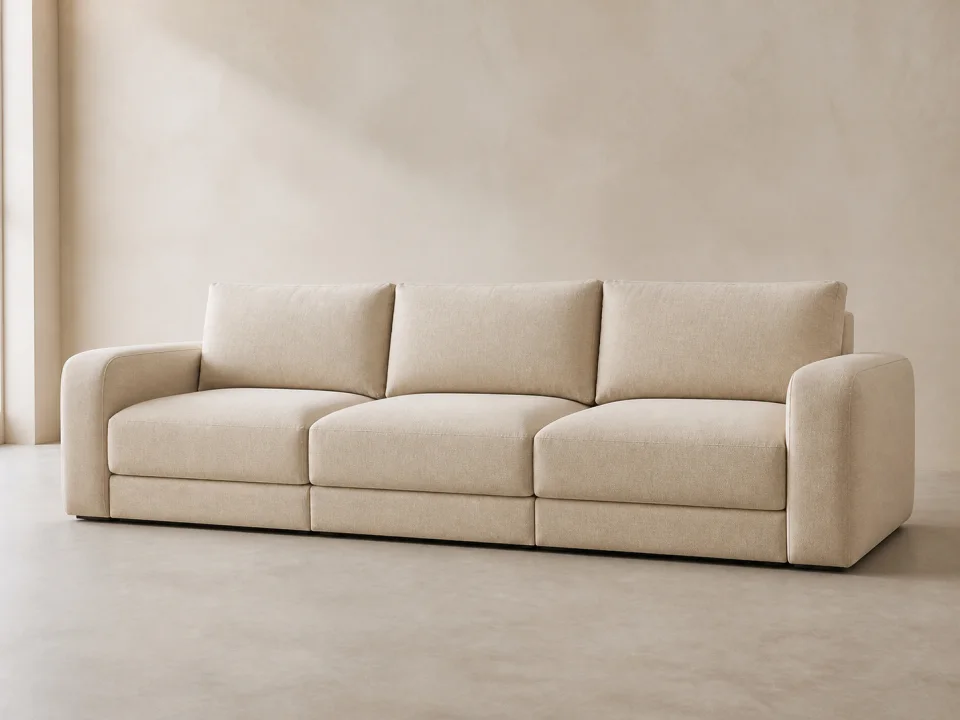
 Compression Sofa
Compression Sofas
The primary category for vacuum-packed sofas, compressed couches and sofa-in-a-box programs. Development centers on compact packing, recovery and a familiar living-room silhouette.
 Request a quote
Compression furniture collections
Choose the format before refining the details.
A product category is more than a keyword. It determines how people sit, how modules combine, how cartons move and how a retailer presents the range. Use this directory to compare twelve foam furniture formats before starting an OEM brief.
Browse all collections ↓Manufacturer’s answer
Compression furniture is upholstered seating engineered so that part or all of the product can be vacuum packed into a smaller shipping volume and recover after unpacking. The category includes sofas, modular seating, sectionals, loveseats, sofa beds, lounge chairs, chaises and ottomans. Many designs use a frameless full-foam structure, although construction varies by model. A credible sourcing decision therefore looks beyond the label and compares foam layers, upholstery behavior, recovered dimensions, carton data and intended use.
Twelve distinct formats
Each category below has its own purchasing intent and product purpose. Similar spellings and synonyms remain consolidated within the relevant category.
Compression SofaThe primary category for vacuum-packed sofas, compressed couches and sofa-in-a-box programs. Development centers on compact packing, recovery and a familiar living-room silhouette.
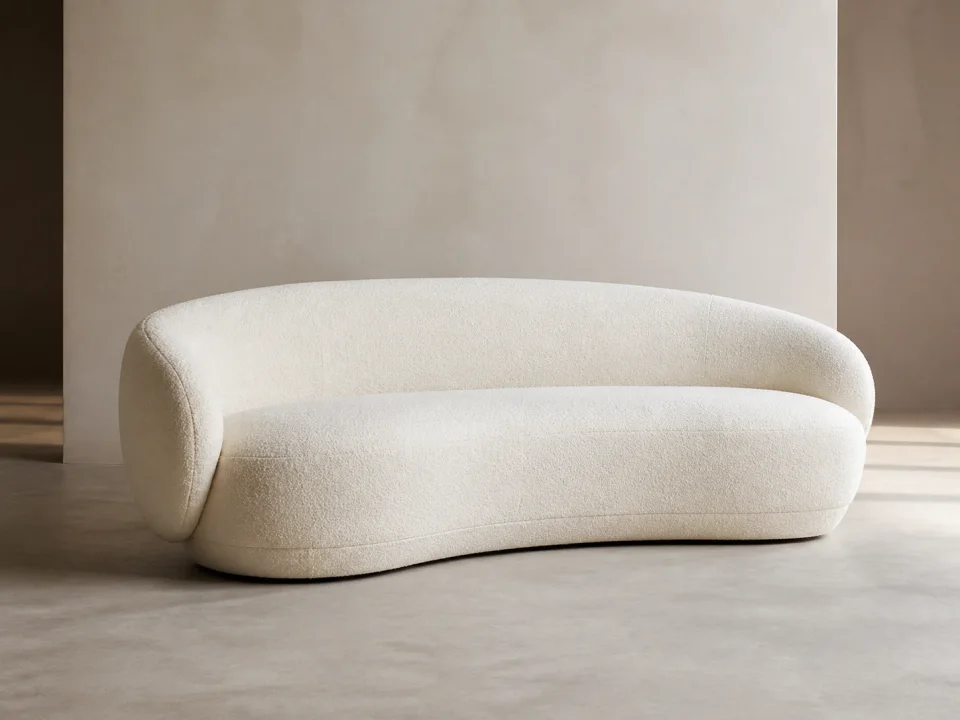 Boneless Sofa
Frameless seating with an intentionally soft, low and sculptural character. The commercial story emphasizes full-foam comfort, deep seating and a no-assembly experience.
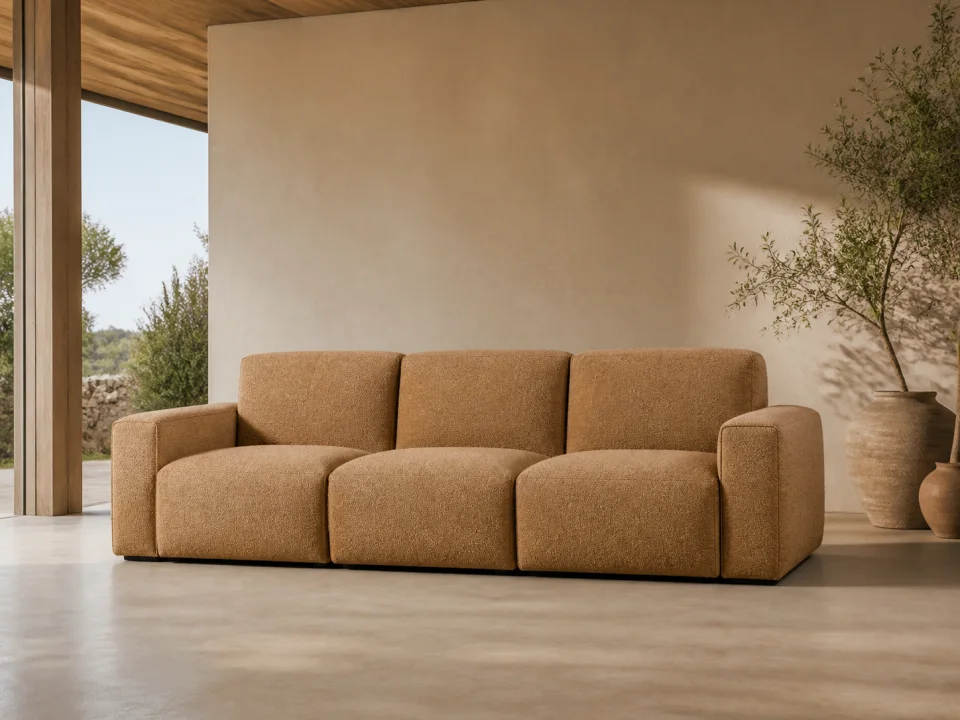 Foam Sofa
A construction-led category for buyers comparing foam density, firmness and layered support. Not every foam sofa is automatically suitable for long-duration compression.
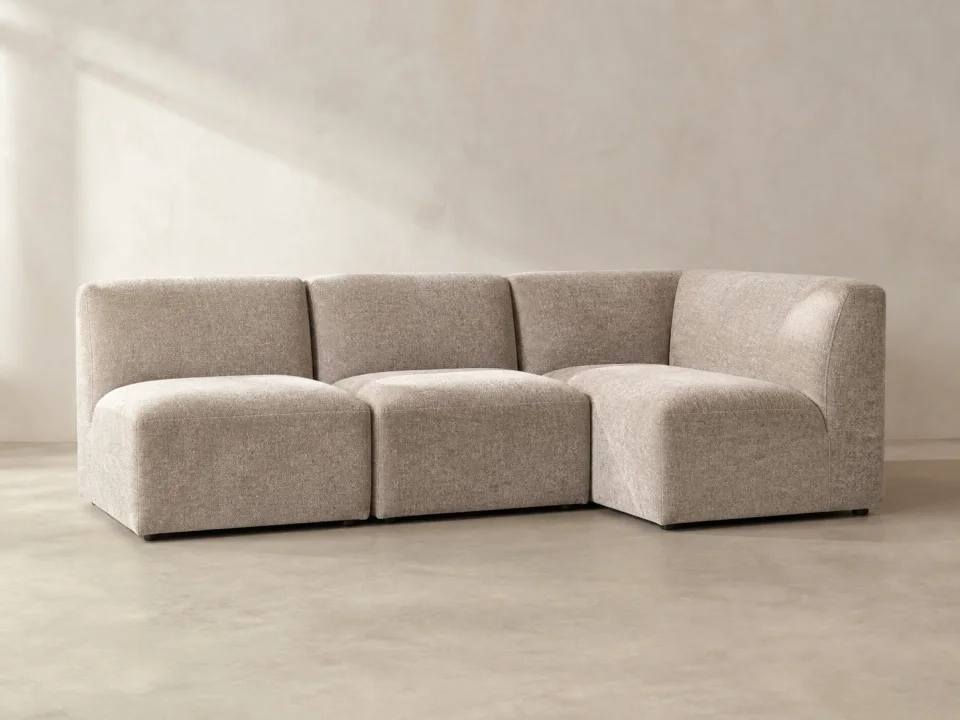 Modular Sofa
Repeatable armless, corner and ottoman modules allow one program to create chairs, loveseats and larger layouts. Module consistency and connection details deserve early attention.
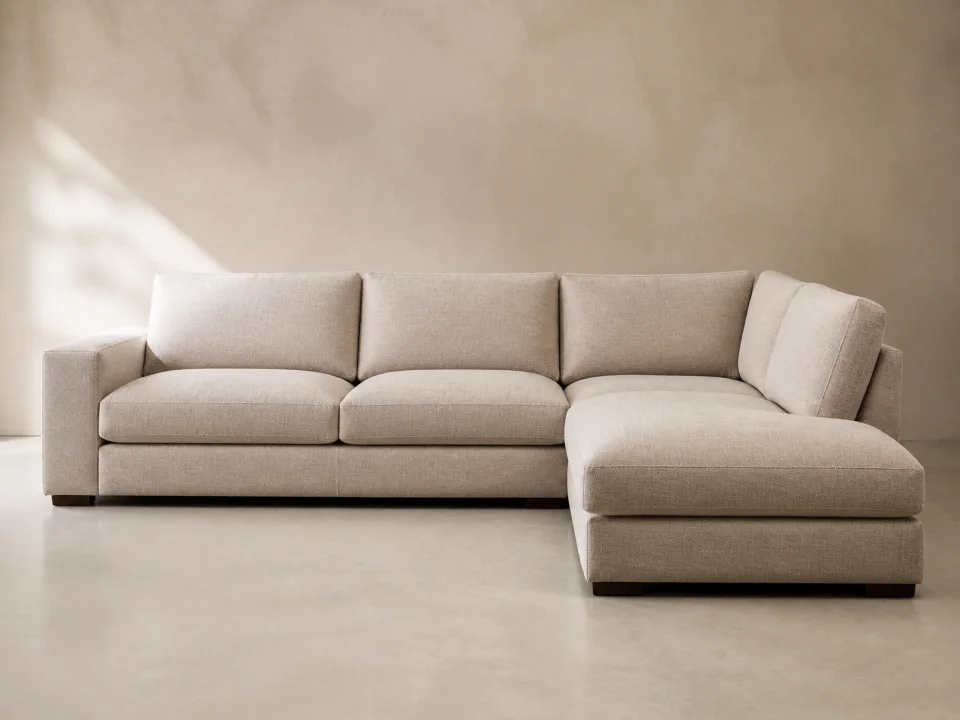 Sectional Sofa
L-shaped, U-shaped and chaise configurations for larger rooms. Carton identification and configuration diagrams help customers assemble the intended layout correctly.
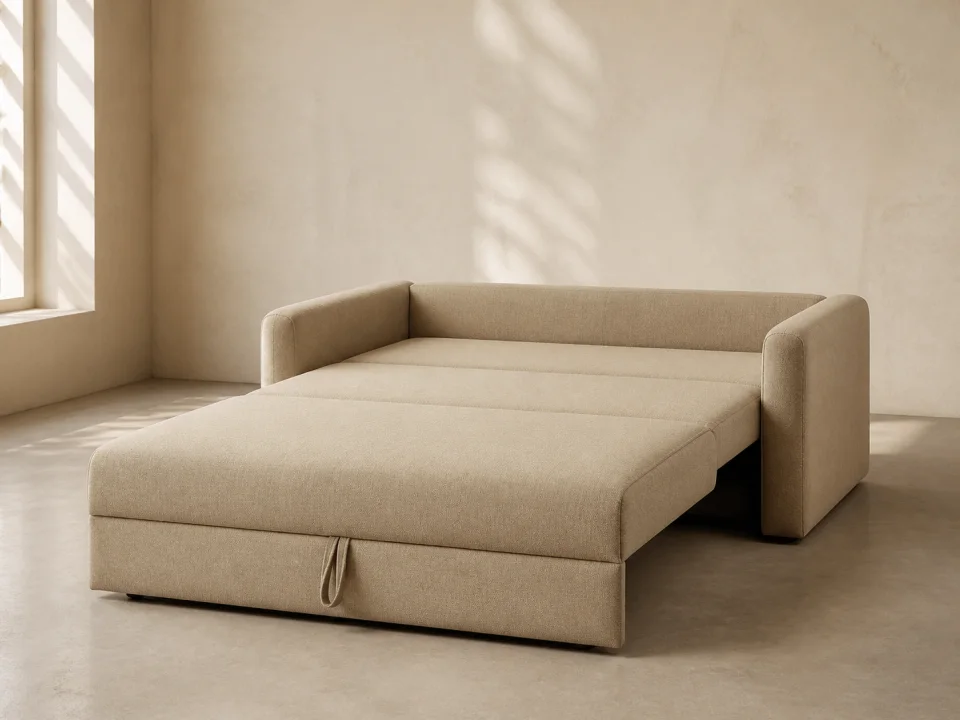 Sofa Bed
Convertible seating for guest rooms and smaller homes. Full-foam formats avoid a heavy pull-out frame, but folded comfort and sleeping support require separate evaluation.
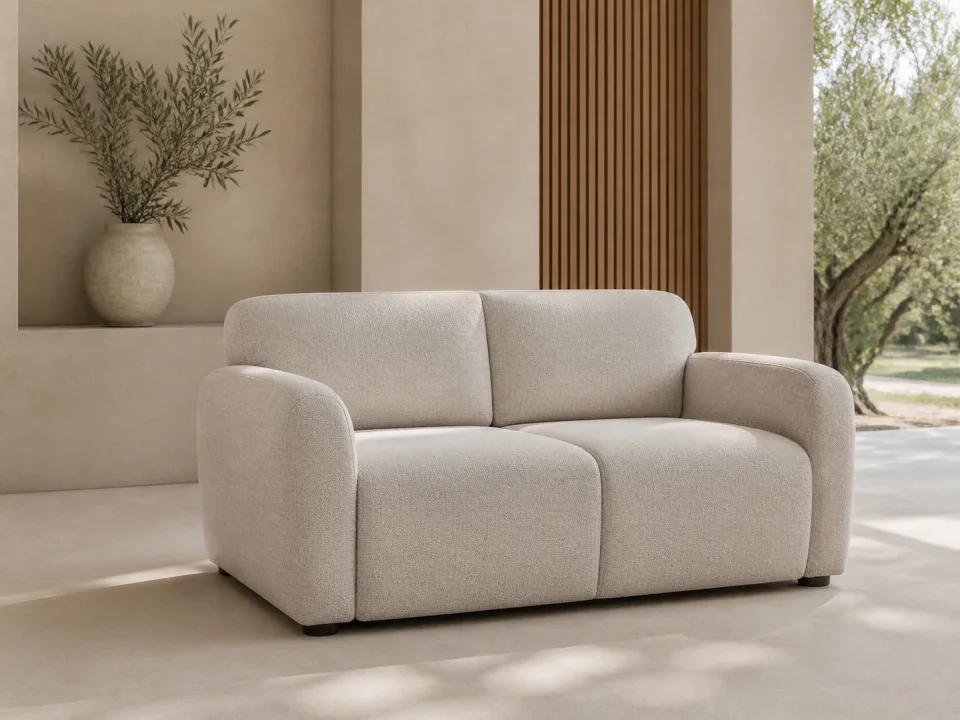 Loveseat
A compact two-seat format suited to apartment collections and lower-volume cartons. It can stand alone or bridge the gap between a lounge chair and a full sofa.
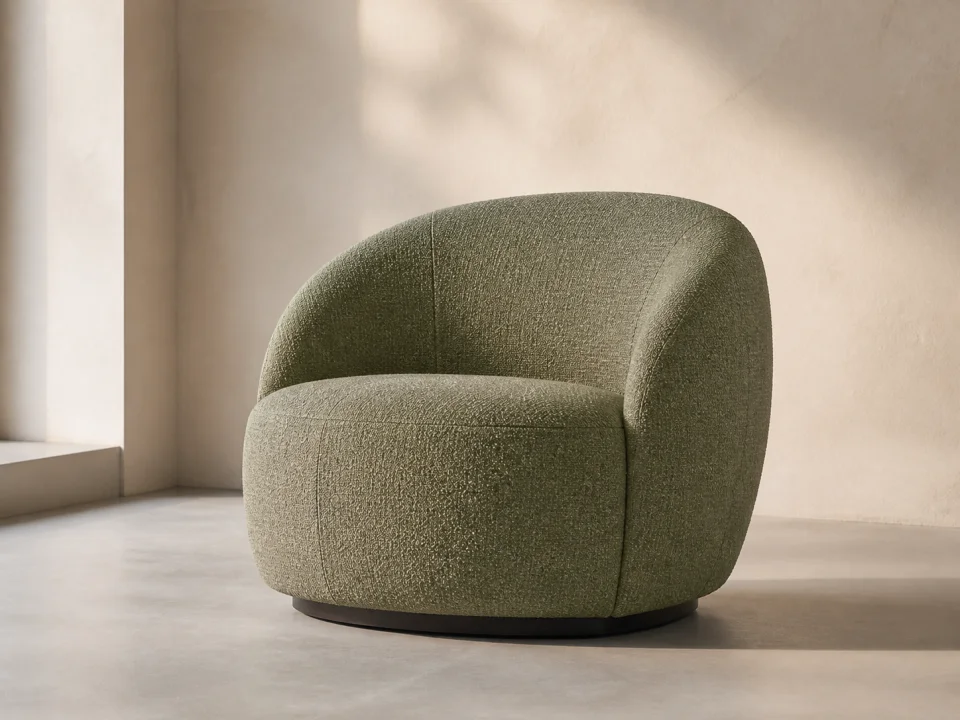 Lounge Chair
A single-seat format for accent collections, hospitality corners and coordinated living rooms. Curved shapes make foam carving and cover fit particularly visible.
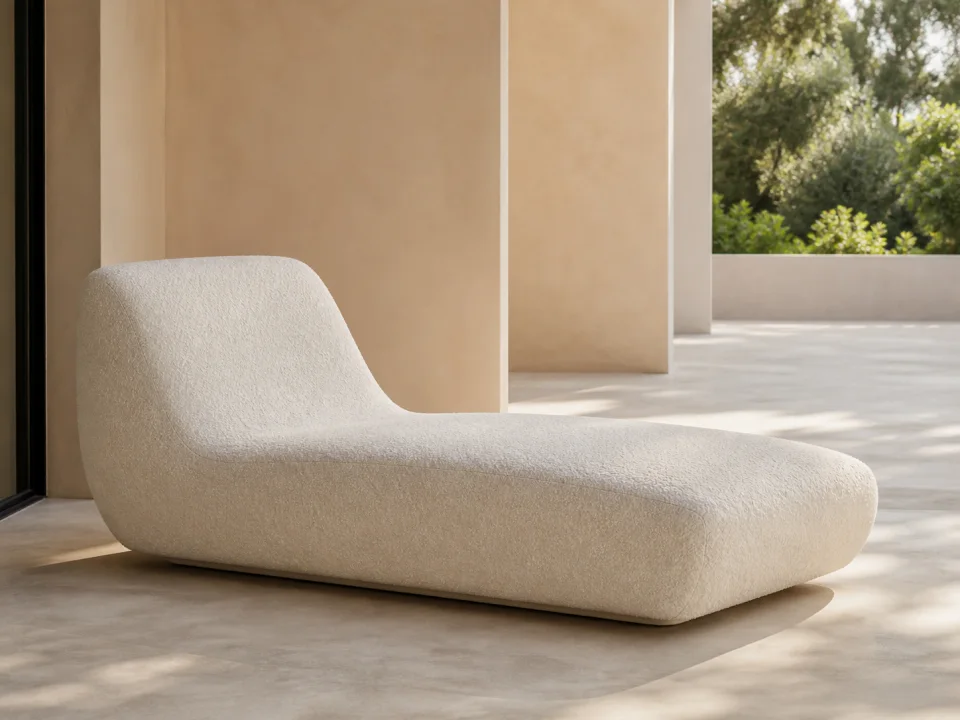 Chaise Lounge
Extended seating for reclining without converting into a bed. The long profile calls for balanced support and careful control of the recovered outline.
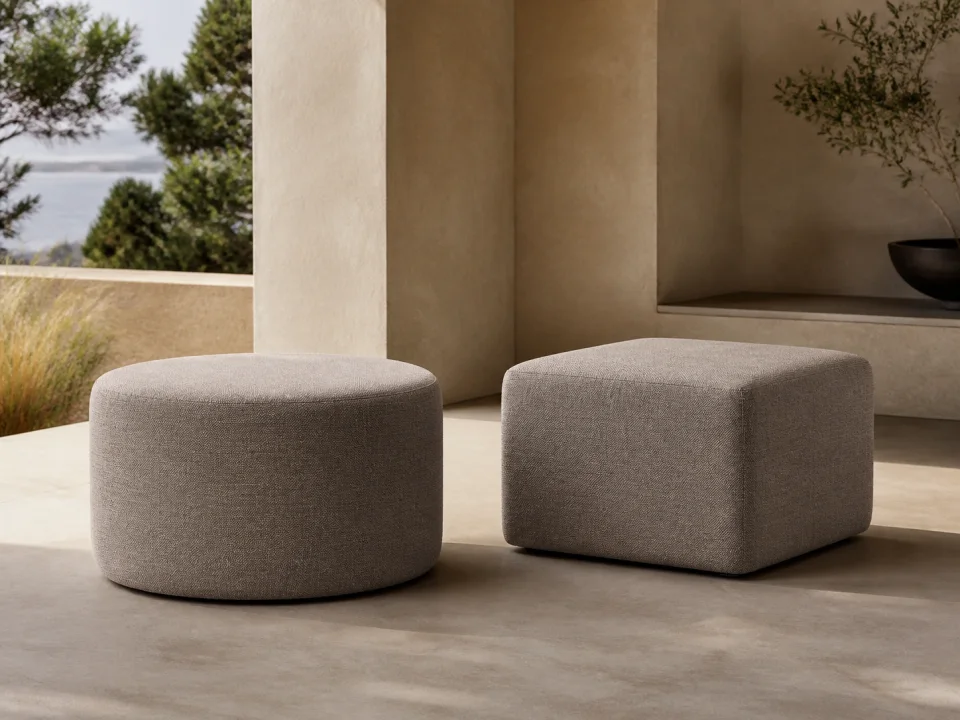 Ottoman
Footrests, movable seats and extension modules that complete a coordinated range. Their simpler form makes them useful for testing a new color or fabric direction.
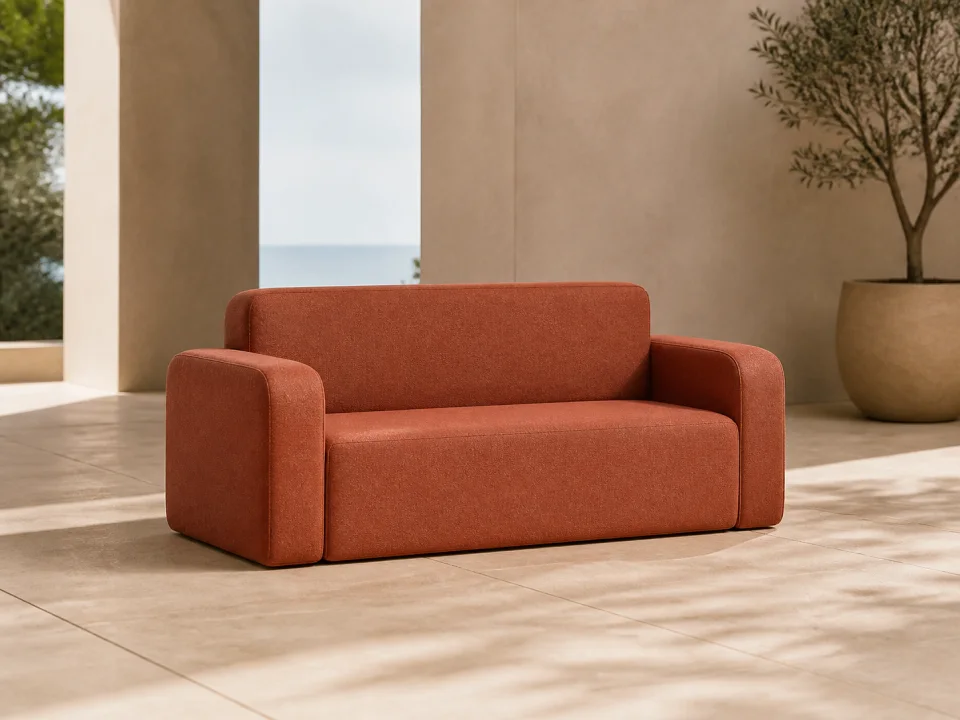 Kids Foam Sofa
Child-scale seating with lightweight foam and softened edges. Material, dimensions, labeling and market-specific safety requirements need dedicated review.
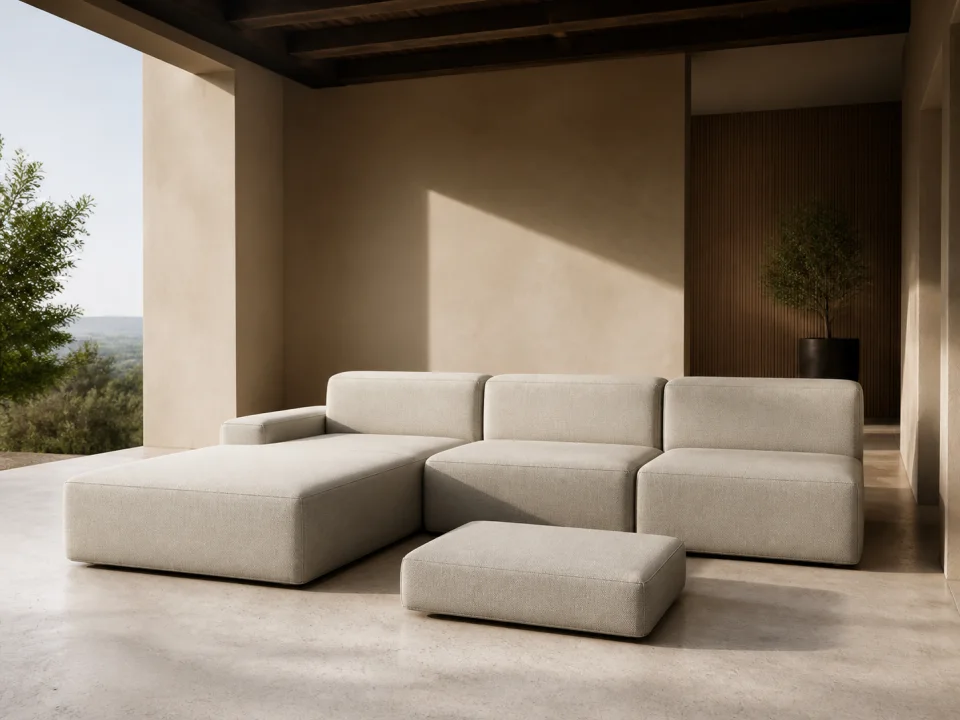 Outdoor Sofa
Compression-ready seating concepts for covered outdoor settings. Fabric, foam, moisture exposure and drying performance must match the declared use environment.
Range planning
A marketplace-first range often benefits from compact units, simple choices and cartons that fit a known delivery network. A showroom collection may support deeper configurations, more upholstery options and larger coordinated sets. Hospitality buyers may place greater emphasis on repeatable dimensions, cleaning and replacement modules.
The destination market also influences the conversation. Room sizes, preferred seat height, fire or chemical requirements, packaging labels and customer expectations vary. Before selecting a silhouette, identify the buyer, sales channel, delivery method and target retail position. Those decisions prevent a visually attractive concept from becoming difficult to ship or explain.
For a new brand, a focused family is usually easier to control than twelve unrelated models. One modular platform can support an armless chair, corner, loveseat, chaise and ottoman. A shared fabric palette creates visual consistency, while selected changes in foam feel or dimensions can distinguish price tiers.
Consider returns as early as sales. A model may photograph well yet create avoidable complaints if the recovered dimensions, comfort expectation or setup sequence are unclear. Product photography should represent the actual approved configuration, while the carton insert should state opening precautions and a realistic recovery window. Replacement-cover strategy, module identification and spare-part policy may also influence which format is practical for a growing brand.
Price comparison should use the same basis. Confirm whether a quotation includes the retail carton, printed inserts, labels, individual packaging, testing and loading assumptions. A lower unit price can be misleading when another offer includes work that will otherwise be added later. Our custom development team organizes these details into one brief before sample approval.
Category comparison
| Category | Primary distinction | Typical range role | Development focus |
|---|---|---|---|
| Compression sofa | Vacuum-packed delivery | Main living-room SKU | Recovery, carton and final shape |
| Boneless sofa | Frameless full-foam structure | Trend-led comfort collection | Foam support and cover fit |
| Modular sofa | Repeatable configurable units | Expandable product family | Module dimensions and connections |
| Sectional sofa | L-shaped or U-shaped layout | Large-room seating | Configuration and carton sequence |
| Sofa bed | Seating plus sleeping use | Small-space or guest-room SKU | Fold geometry and dual comfort |
| Chair / chaise / ottoman | Compact complementary formats | Collection extensions | Proportion and coordinated upholstery |
One collection, connected decisions
A fabric that looks excellent on a flat swatch may stretch differently across a curve or retain wrinkles after compression. A softer foam can create the desired sit but change the recovered outline. A smaller carton can improve cubic efficiency but increase pressure on seams and corners.
That is why product selection leads naturally into foam and upholstery review, compression packaging trials and a written quality control standard. The approved combination—not an isolated material name—becomes the production reference.
Product selection FAQ
Final recommendations depend on the intended market and approved construction.
Modular sofas, loveseats, lounge chairs and ottomans can simplify handling because each unit is relatively compact. Larger sectionals may support a higher order value, but coordinated cartons and clearer setup instructions become more important.
Boneless describes a frameless or predominantly foam structure. Foam sofa is broader and may include full-foam seating or designs that combine foam with other support components. Ask for a construction breakdown instead of relying on the category name alone.
Yes, subject to availability and testing. A coordinated collection can combine a sofa, loveseat, chair, chaise and ottoman, but each cover pattern needs approval because curves, seams and compression behavior differ.
No. Foam resilience, upholstery, geometry, internal components and the intended compressed-storage period affect suitability. A representative packaged sample should be evaluated before production.
Share the destination market, sales channel, intended room or user, target dimensions, preferred comfort, expected quantity and any carton restrictions. Reference images are useful even when a technical drawing is not yet available.
Build a focused range
Send your reference, target customer and delivery limits. We will help narrow the practical options before sampling.
Discuss your collection